

Anesthesiology

Local Anesthesia
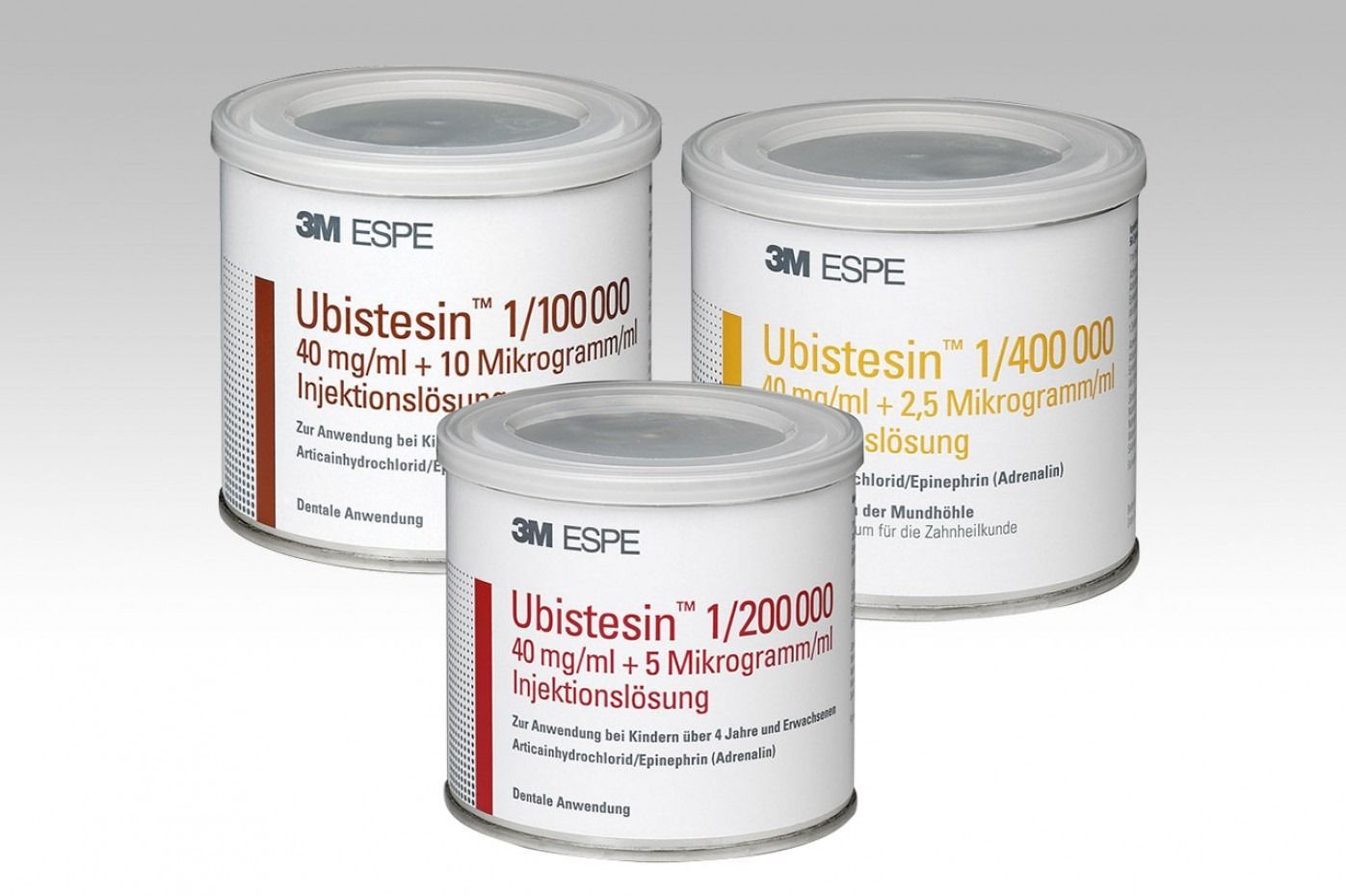
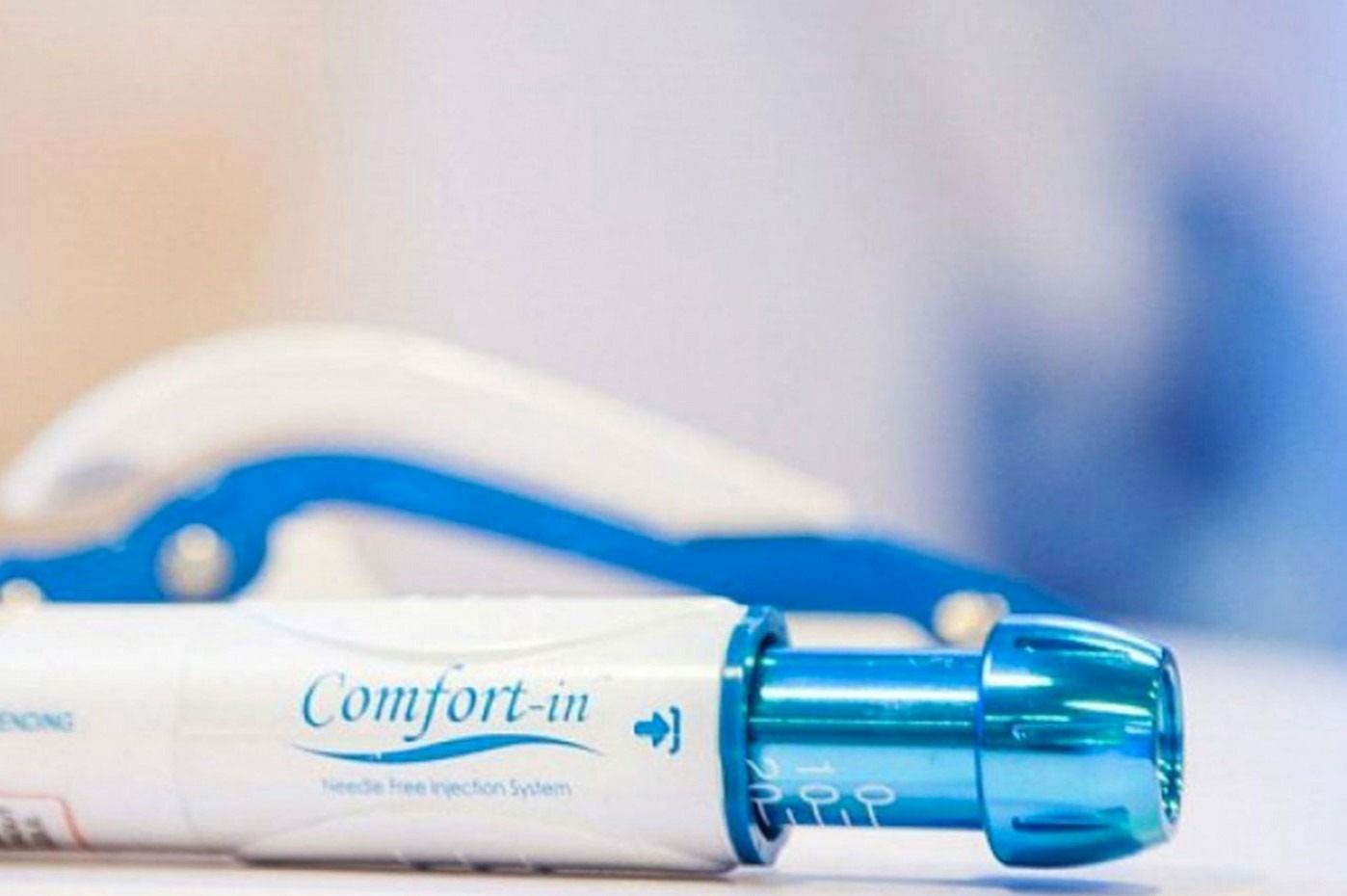
Local anesthetics cause a loss of sensation in the affected area, allowing the patient to remain conscious during the procedure.
Local anesthesia is the most common type of dental anesthesia because it is used for minor and less traumatic procedures. This type of anesthesia acts directly on the area being treated without rendering the patient completely unconscious. Contrary to popular belief, there are different types of local anesthesia administered based on the extent of the procedure and differing in duration, strength, and administration method:
- Superficial anesthesia: can be administered with a simple spray or dental solution.
- Infiltration anesthesia: injected directly into the tissues, near the tooth to be treated.
- Central nerve block anesthesia: for more invasive procedures, it also acts on large nerves to numb a larger area.
- Intraligamentary anesthesia: recommended for patients who want to avoid gingival bleeding.
- Intrapulpal anesthesia: administered when it is necessary to operate on teeth affected by pulpitis or in cases of particular sensitivity.
- Conscious sedation: This is not a true anesthesia as it uses analgesic and painkilling drugs.
What are the properties of local anesthesia?
It is essential that the duration of action of local anesthesia be sufficient to allow the treatment to be completed and that it be powerful enough to prevent the patient from feeling pain, avoiding the use of concentrated solutions that could potentially damage the tissues.
General Anesthesia
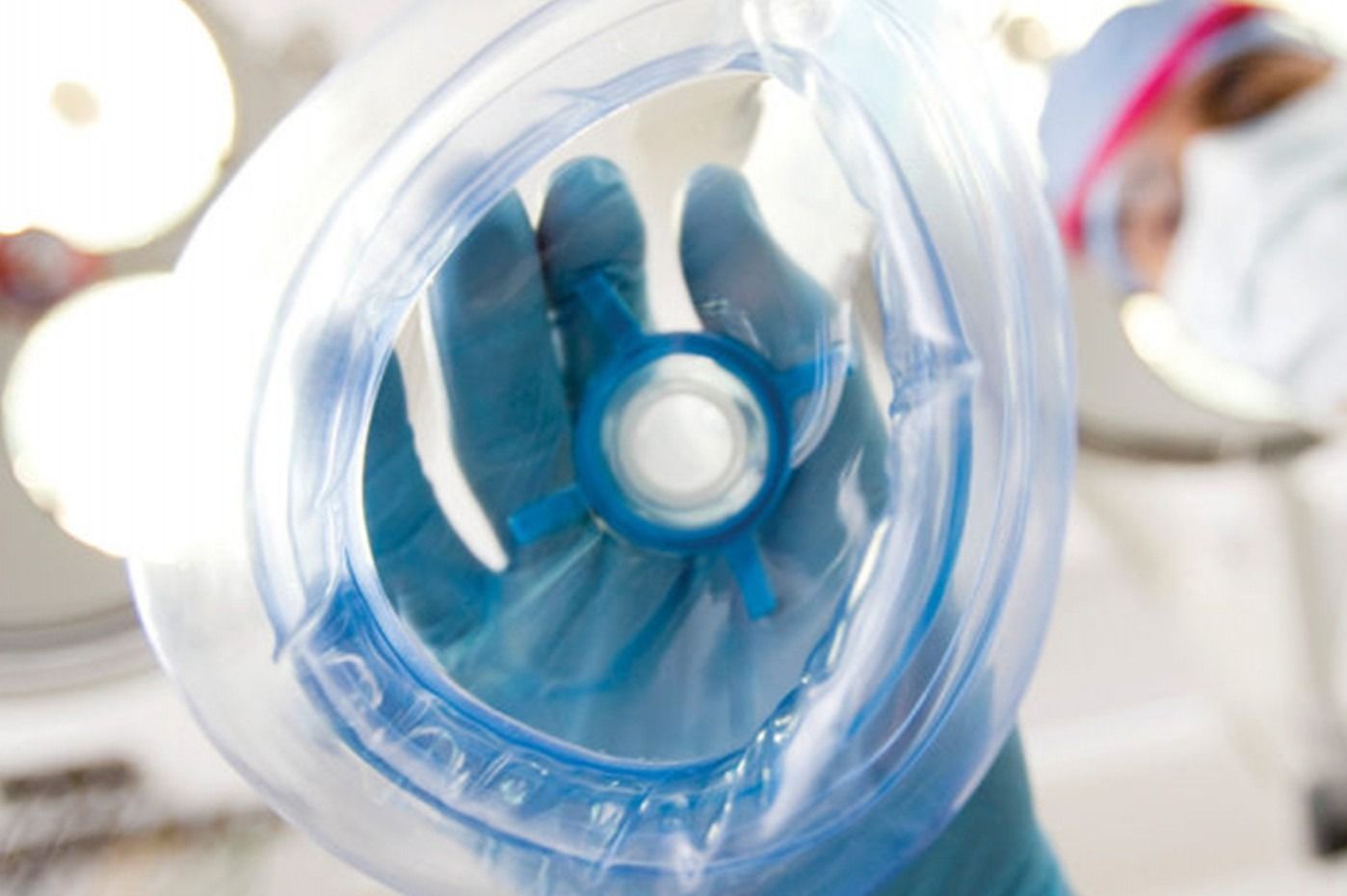
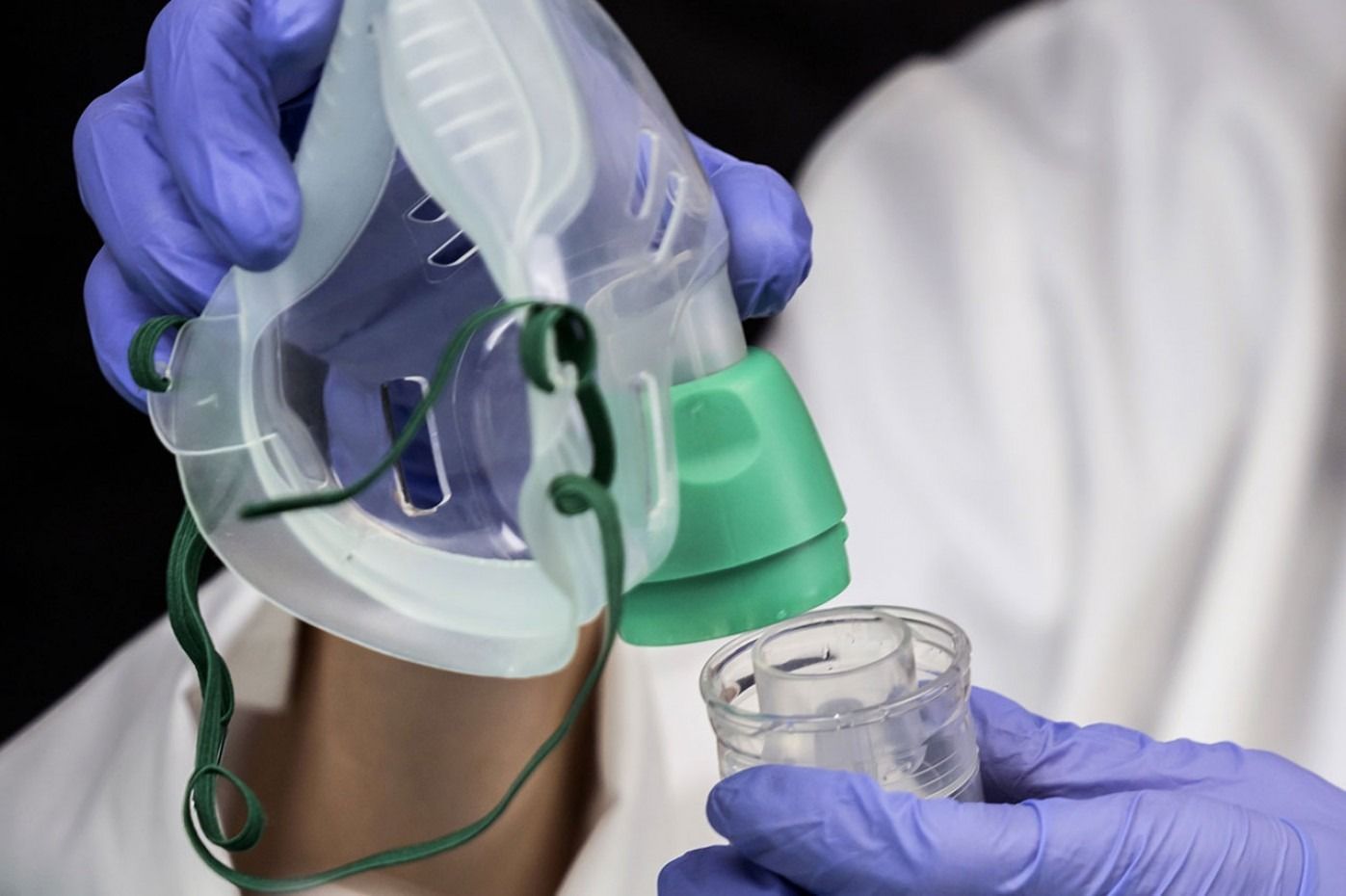
General anesthesia is used for long oral surgery procedures, which require several hours of operation.
Local anesthesia is the most common type of dental anesthesia because it is used for minor and less traumatic procedures. This type of anesthesia acts directly on the area being treated without rendering the patient completely unconscious. Contrary to popular belief, there are different types of local anesthesia administered based on the extent of the procedure and differing in duration, strength, and administration method:
- Superficial anesthesia: can be administered with a simple spray or dental solution.
- Infiltration anesthesia: injected directly into the tissues, near the tooth to be treated.
- Central nerve block anesthesia: for more invasive procedures, it also acts on large nerves to numb a larger area.
- Intraligamentary anesthesia: recommended for patients who want to avoid gingival bleeding.
- Intrapulpal anesthesia: administered when it is necessary to operate on teeth affected by pulpitis or in cases of particular sensitivity.
- Conscious sedation: This is not a true anesthesia as it uses analgesic and painkilling drugs.
What are the properties of local anesthesia?
It is essential that the duration of action of local anesthesia be sufficient to allow the treatment to be completed and that it be powerful enough to prevent the patient from feeling pain, avoiding the use of concentrated solutions that could potentially damage the tissues.